Who Needs Eggs When You Have Got Jesus: A Designer Review
As someone who has spent years navigating the intersection of digital art and physical stitching, I approach every new machine embroidery design with a mix of curiosity and skepticism. The market is flooded with generic clip art that looks great on a screen but falls apart under the needle. That is why evaluating Who Needs Eggs when You Have Got Jesus required more than just a quick glance at the preview. I needed to understand how this specific Graphics file would translate into a tangible finished product for my clients and my own craft business.
First Impressions: Mood and Visual Weight
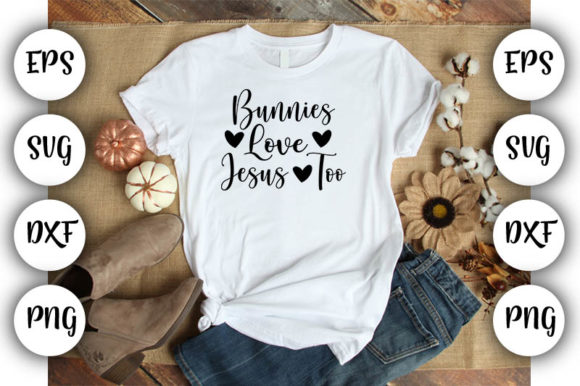
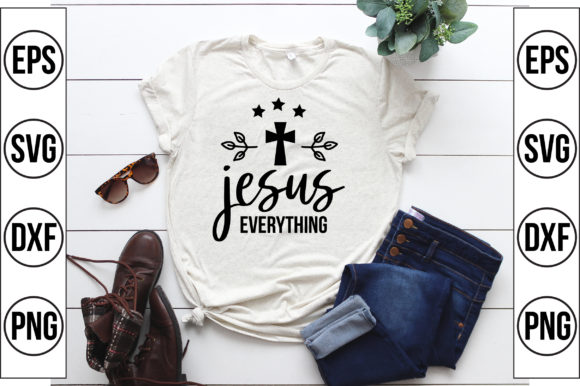
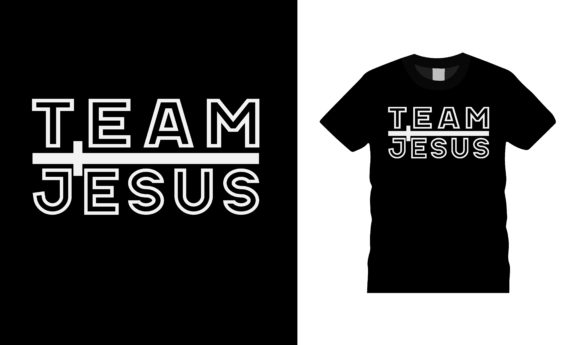
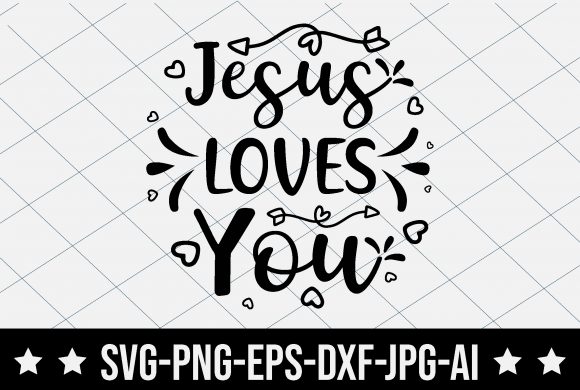
The moment I opened the digital files for Who Needs Eggs when You Have Got Jesus, the tone was immediately clear. This is not a subtle background pattern; it is a bold statement piece. The phrase itself carries a humorous, faith-based energy that resonates deeply within Christian communities, particularly during Easter or as a year-round declaration of belief. Visually, the layout feels balanced enough to work as a standalone focal point, which is crucial for T-Shirt Designs. The typography appears robust, suggesting that it will hold up well even if converted into an embroidery file with moderate stitch density.
What strikes me most is the versatility of the concept. While the text is the hero, the design does not feel cluttered. For an Etsy seller or a small shop owner, this clarity is gold. It means the message lands instantly without the customer needing to squint at tiny details. In the world of handmade product creation, simplicity often equates to higher perceived value because the stitching remains crisp and professional.
Real-World Application: From Screen to Fabric
To truly test the potential of Who Needs Eggs when You Have Got Jesus, I visualized a specific project: a custom embroidered tote bag for a local church boutique. Tote bags are a staple for craft businesses because they offer a large, flat canvas that accommodates medium-sized designs perfectly. Imagine the bag in a sturdy natural canvas, with the text stitched in a vibrant royal blue using a combination of satin stitch for the outlines and a tight fill stitch for the letter bodies. The contrast would be striking, making the bag stand out in a sea of plain merchandise.
I also considered how this design would perform on custom apparel like sweatshirts. A heavyweight cotton blend would provide the necessary stability for the thread, ensuring that the stitch density doesn't pucker the fabric. The playful nature of the slogan makes it an ideal candidate for holiday embroidery gifts or personalized items for family members who appreciate a touch of humor with their faith. Whether it is a baby embroidery item for a christening or a fun addition to a kitchen apron, the sentiment is universally understood and appreciated.
For those looking to expand their commercial embroidery offerings, this design fits seamlessly into a line of small shop product merchandise. It works exceptionally well as an embroidered patch that can be sold individually or attached to denim jackets and backpacks. The ability to create a cohesive brand around a single, strong message is a powerful tool for creative entrepreneurs trying to differentiate themselves in a crowded marketplace.
Navigating Challenges: Where Caution Is Needed
Despite its strengths, Who Needs Eggs when You Have Got Jesus is not without its limitations. As a designer, I always advise caution when applying text-heavy graphics to textured fabrics or stretchy materials. If you attempt this on a thin jersey knit or a highly textured linen, the running stitch edges might distort, causing the letters to lose their definition. The integrity of the message relies on clean lines, so the choice of stabilizer becomes critical.
Another area requiring attention is the hoop size. While the design seems compact, the length of the phrase "Who Needs Eggs when You Have Got Jesus" means you cannot simply cram it into a 4x4 hoop without risking distortion or incomplete stitching. You must ensure your machine bed can accommodate the full width, or you may need to adjust the scale, which could impact the legibility of smaller characters. Additionally, if you plan to use this on dark fabrics, the thread colors must be chosen carefully to maintain high contrast. A white-on-black application requires a solid backing to prevent the dark fabric from showing through the stitches, which can make the design look muddy rather than bold.
Curved surfaces, such as caps or hats, present another challenge. The straight-line nature of the text might warp slightly on a curved brim, potentially affecting the readability. For these applications, it is best to test the design on a scrap piece of similar material first. Always check the digital embroidery file settings to ensure the pull compensation is correct, preventing the fabric from gathering too tightly around the dense text areas.
Maximizing Value and Professionalism
The true value of Who Needs Eggs when You Have Got Jesus lies in its ability to elevate a basic item into a meaningful gift. When executed correctly, the design enhances the visual appeal of the finished product, signaling to the buyer that care and precision went into its creation. This level of professionalism builds customer trust and encourages repeat business. For an Etsy seller, having high-quality printable mockups that showcase the design on various garments can significantly boost buyer engagement before they even place an order.
Furthermore, the design's adaptability allows it to serve multiple purposes beyond just apparel. It can be used for paper crafting, scrapbooking, or creating vinyl decals for car windows and laptops, especially since the package includes SVG, DXF, EPS, and PNG formats. This multi-format availability makes it a versatile asset for any design assets library. However, remember that while the digital files are flexible, the physical execution depends entirely on your skill and equipment.
Practical Notes for the Designer
Before committing to a large batch production or selling finished goods, follow these essential steps to ensure success with Who Needs Eggs when You Have Got Jesus:
- Test on Scrap Fabric: Always run a test stitch on a scrap piece of the exact fabric you intend to use. Check for puckering, skipped stitches, or misaligned letters.
- Verify Thread Contrast: Ensure the thread colors pop against the background. Dark fabrics often require a cutaway stabilizer and lighter threads for maximum visibility.
- Check Hoop Dimensions: Confirm that your hoop size can fit the entire phrase without cutting off the ends or distorting the aspect ratio.
- Inspect Small Details: Zoom in on the digital preview to ensure no tiny serifs or decorative elements will get lost in the stitching process.
- Review Licensing: Before selling personalized gift items or commercial embroidery products, confirm the licensing terms of the embroidery file to ensure you have the right to sell the finished goods.
- Use Proper Stabilizer: Do not skimp on stabilization. Text-heavy designs exert significant tension on the fabric, and a good tear-away or cutaway stabilizer is non-negotiable for a clean finish.
In conclusion, Who Needs Eggs when You Have Got Jesus is a strong contender for any designer looking to add a touch of faith and humor to their portfolio. It offers a clear path to creating memorable handmade products that resonate with a specific audience. By respecting the technical requirements of the embroidery project and choosing the right applications, you can turn this simple graphic into a standout piece of custom apparel or decor that customers will cherish.